





Commercial Electrical installation
Effective electrical infrastructure in high-traffic retail and hospitality environments is essential for both operational efficiency and safety.
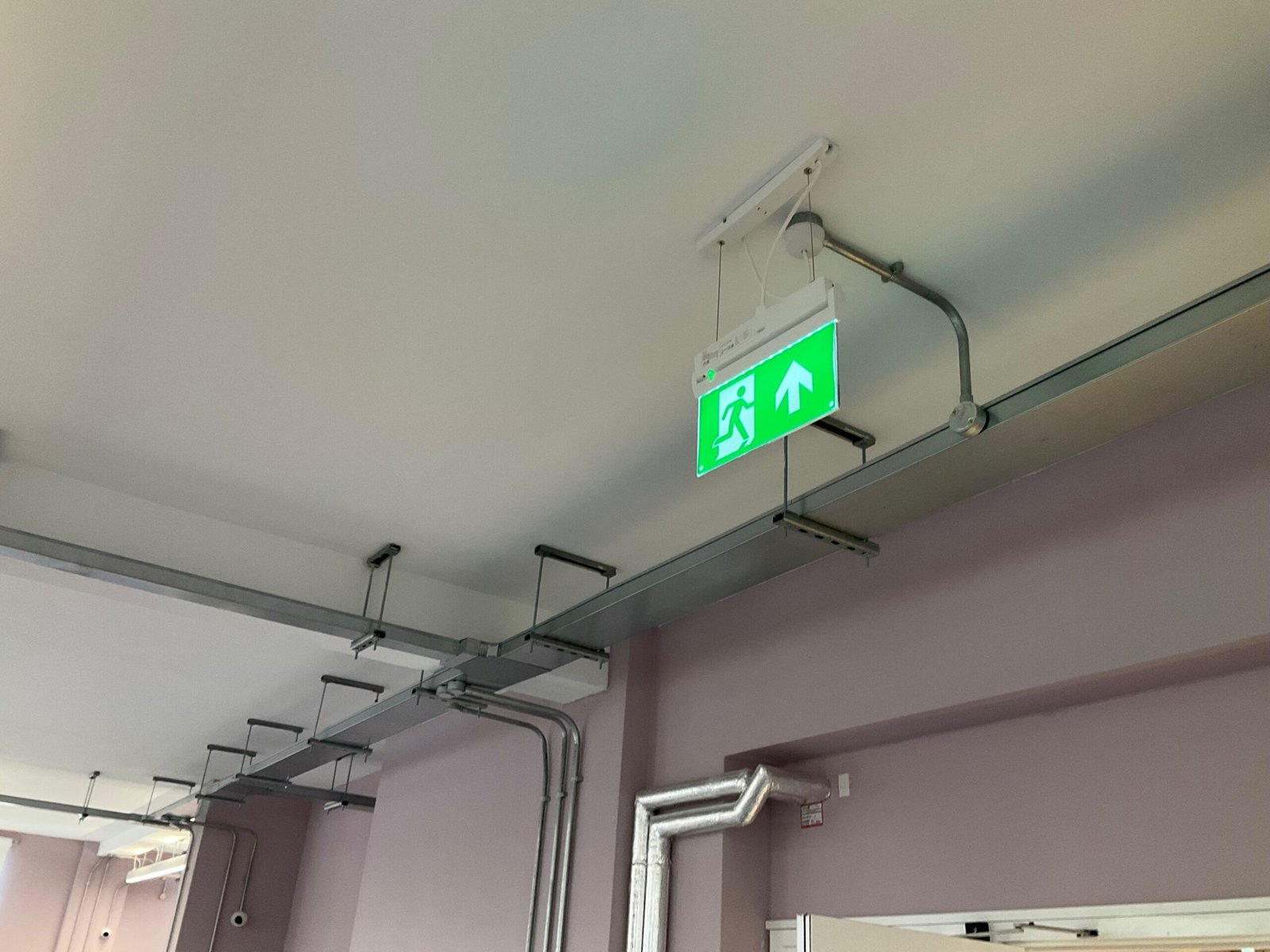
In the category of lighting, commercial installations utilize a mix of decorative frontage lighting to attract customers and high-output LED panels for functional back-of-house areas. restaurants and coffee shops specifically require atmospheric dimmable circuits and emergency egress lighting that must be regularly tested to ensure compliance with fire safety regulations.
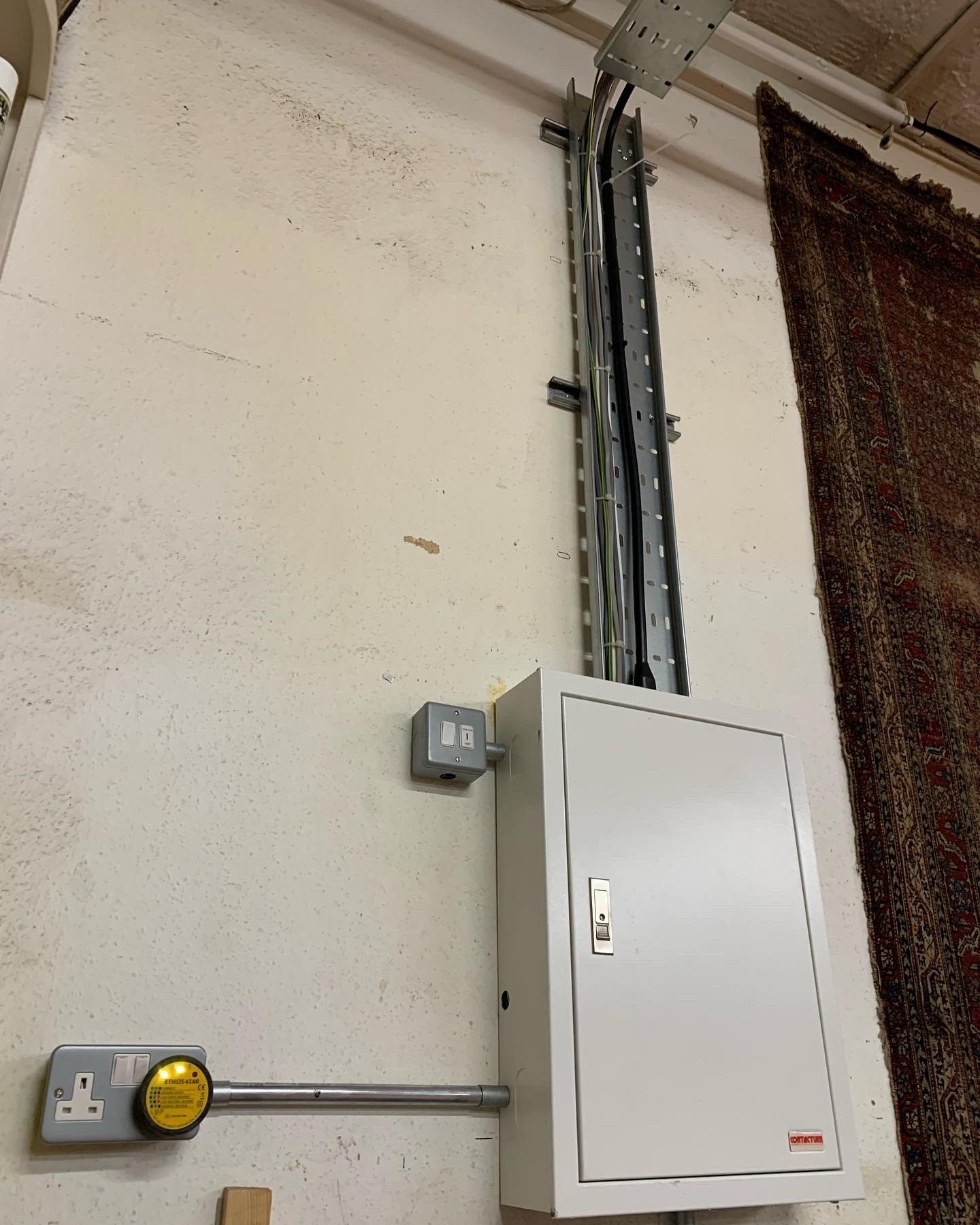
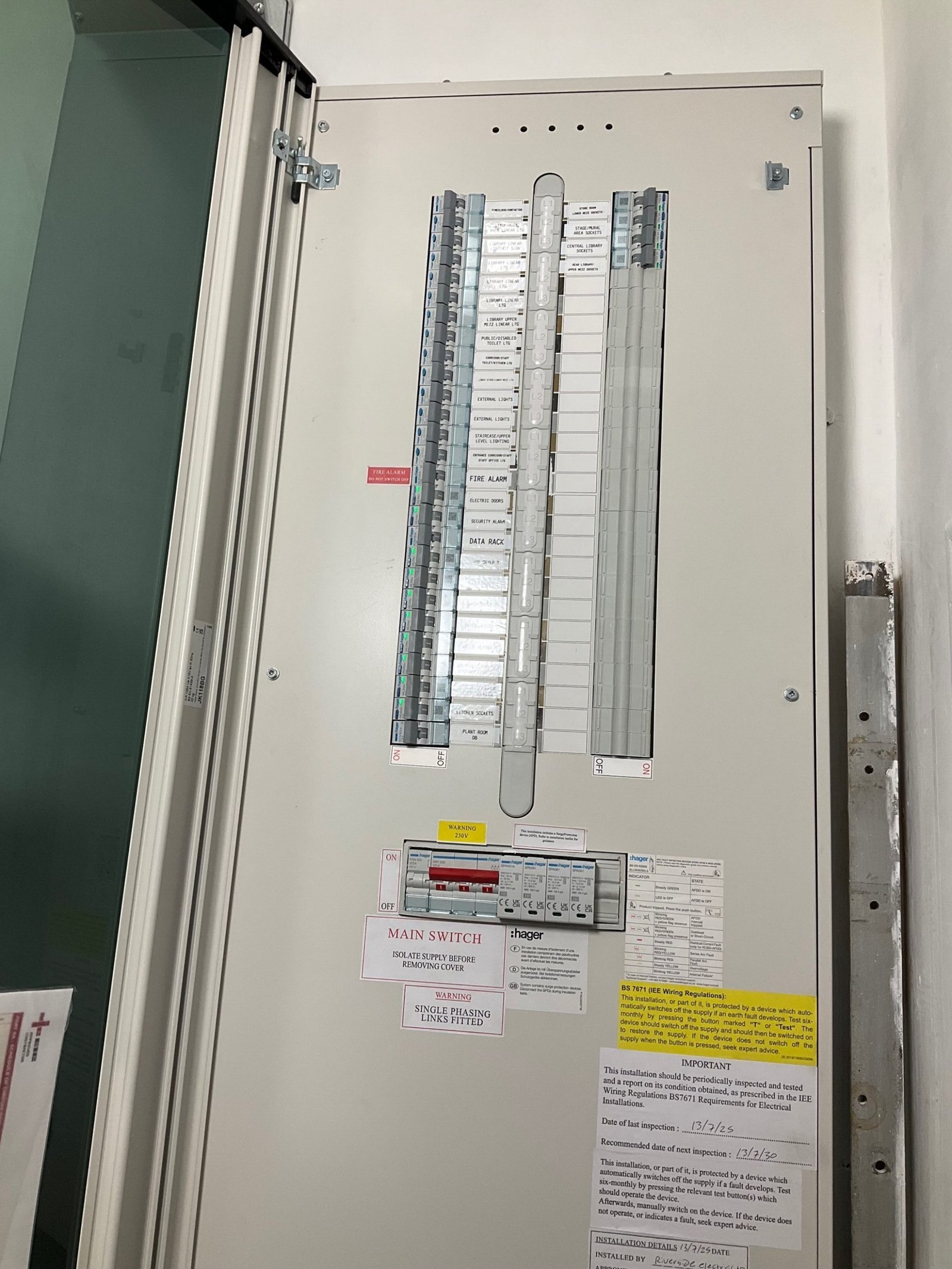
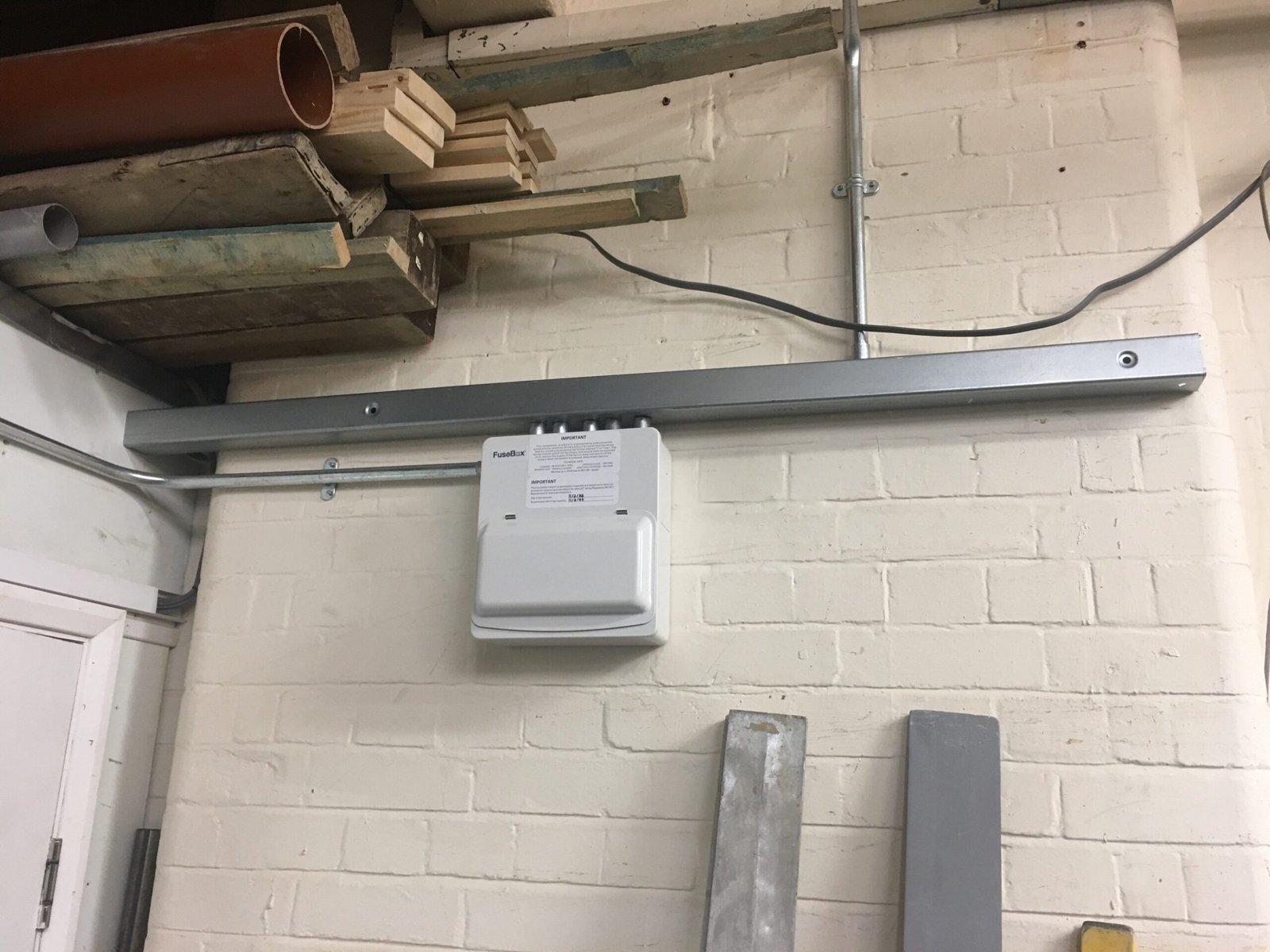
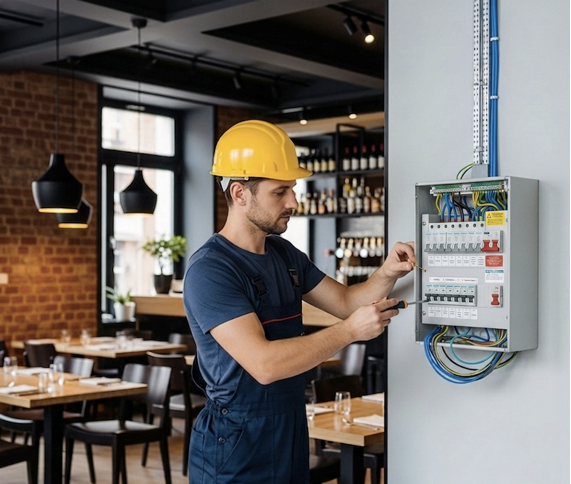
Regarding distributions, shops and hospitality venues depend on high-capacity distribution boards designed to manage the heavy electrical loads of commercial refrigeration and industrial kitchen equipment. Professional installations ensure these distribution systems are properly balanced across phases to prevent circuit overloads during peak business hours while maintaining clear access for maintenance and isolation.
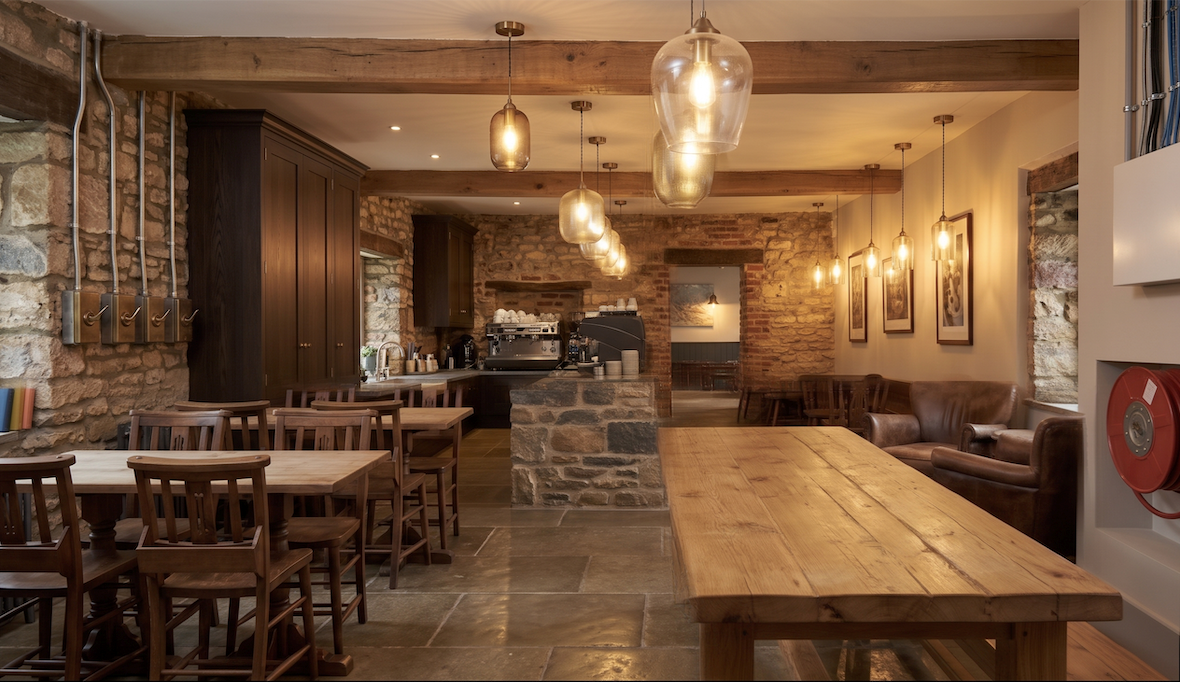
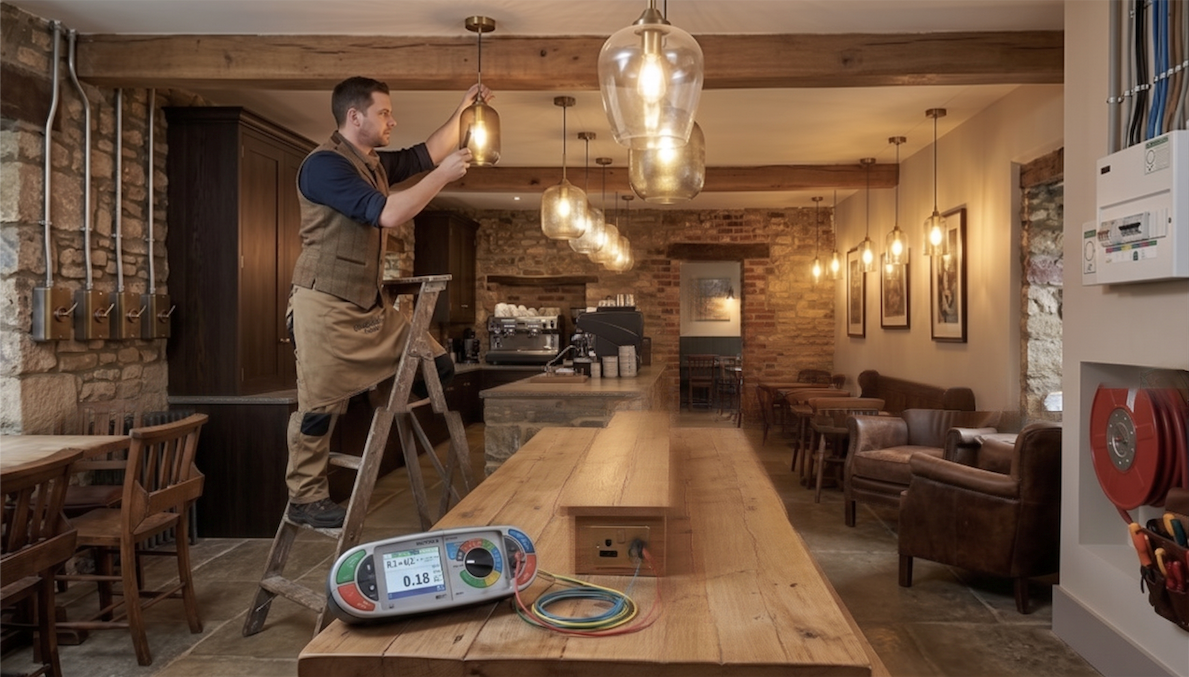
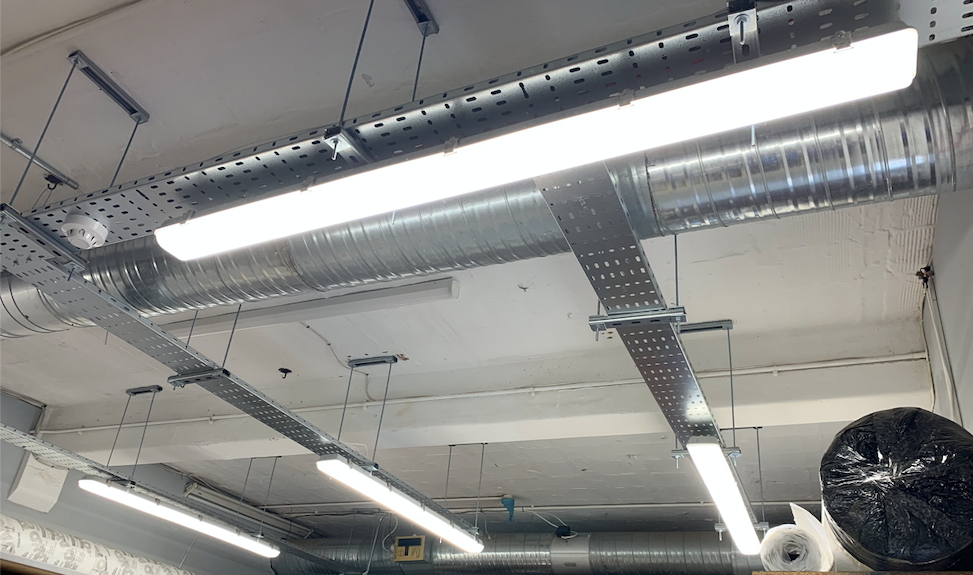
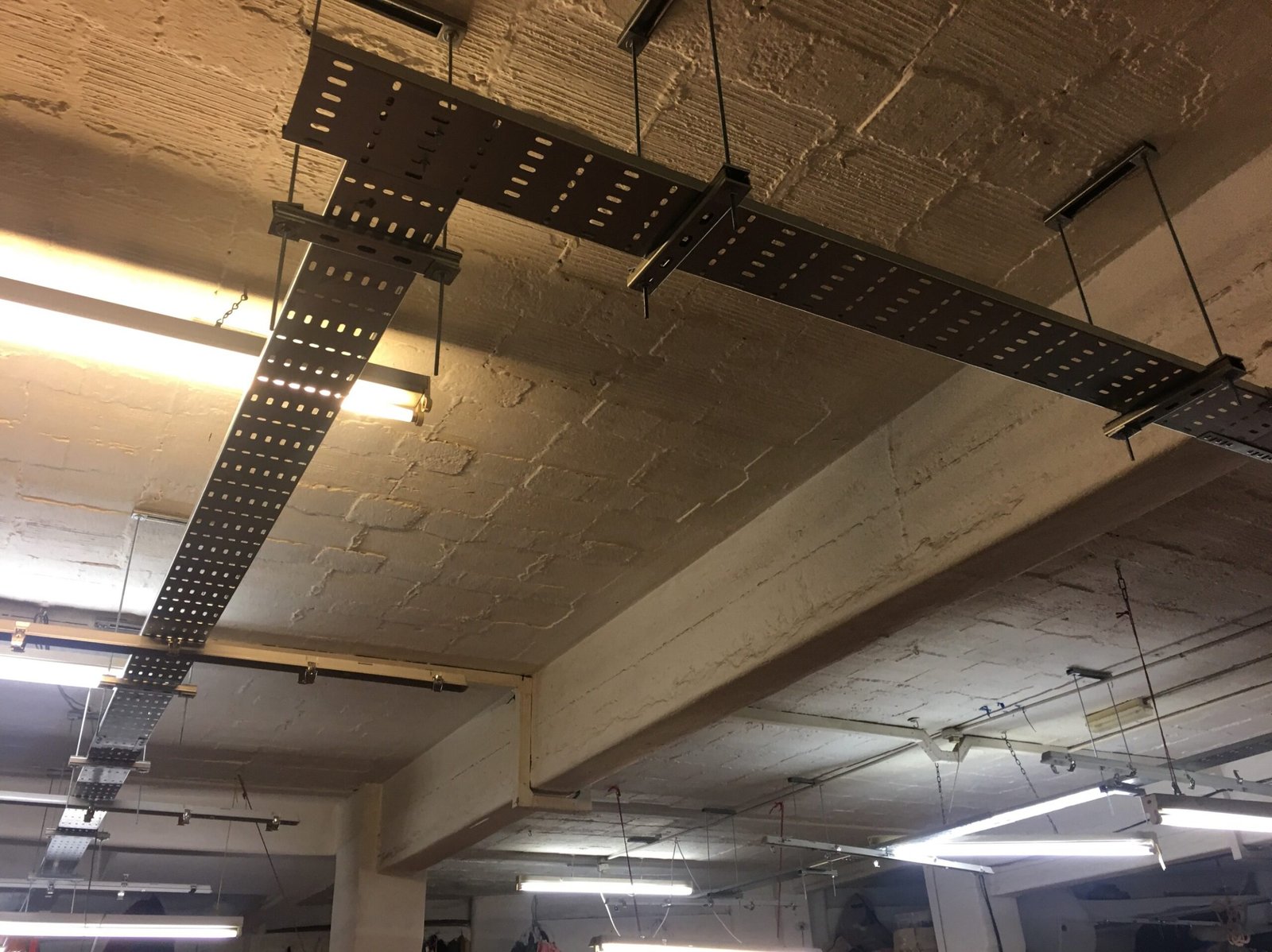
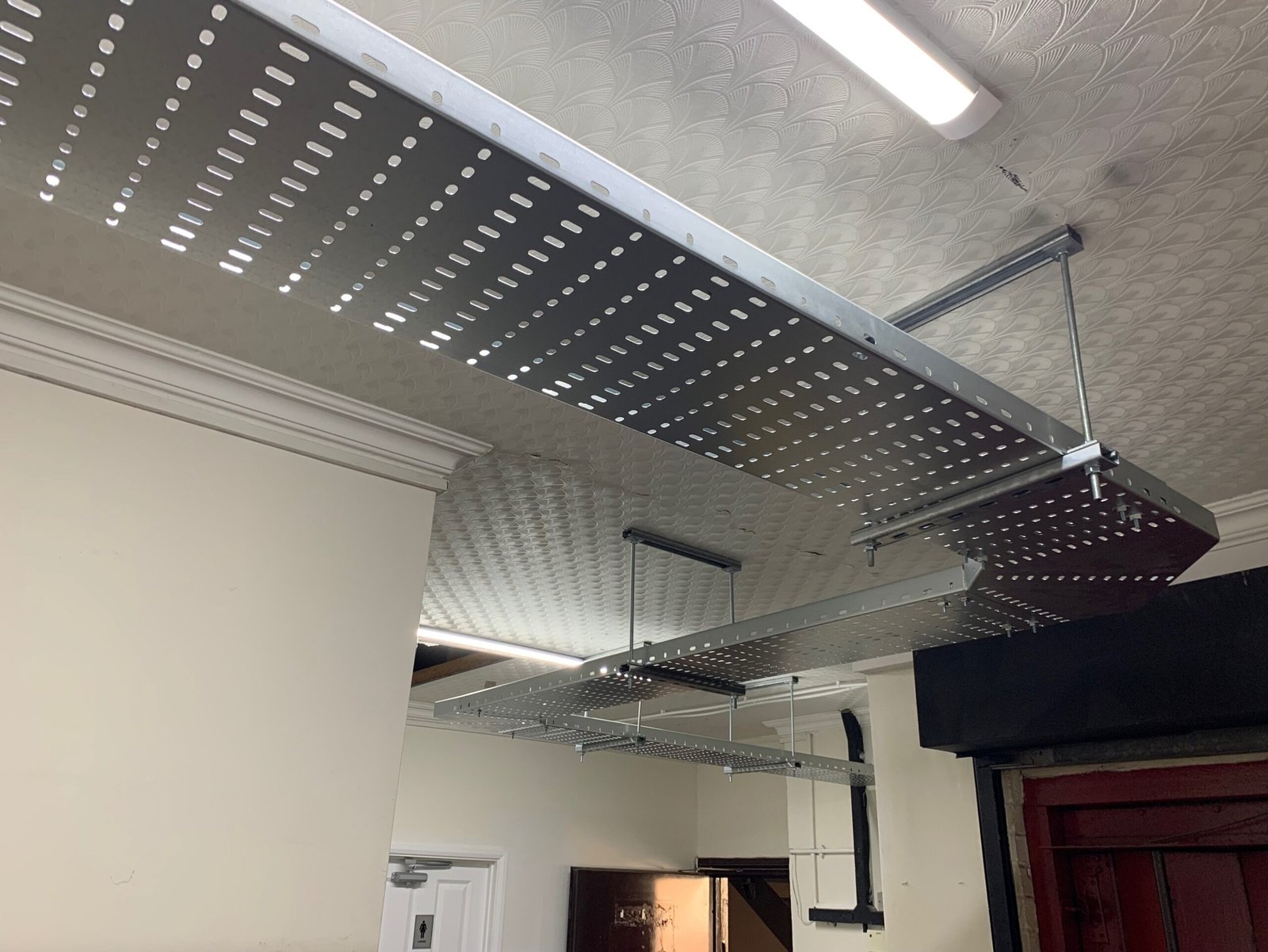
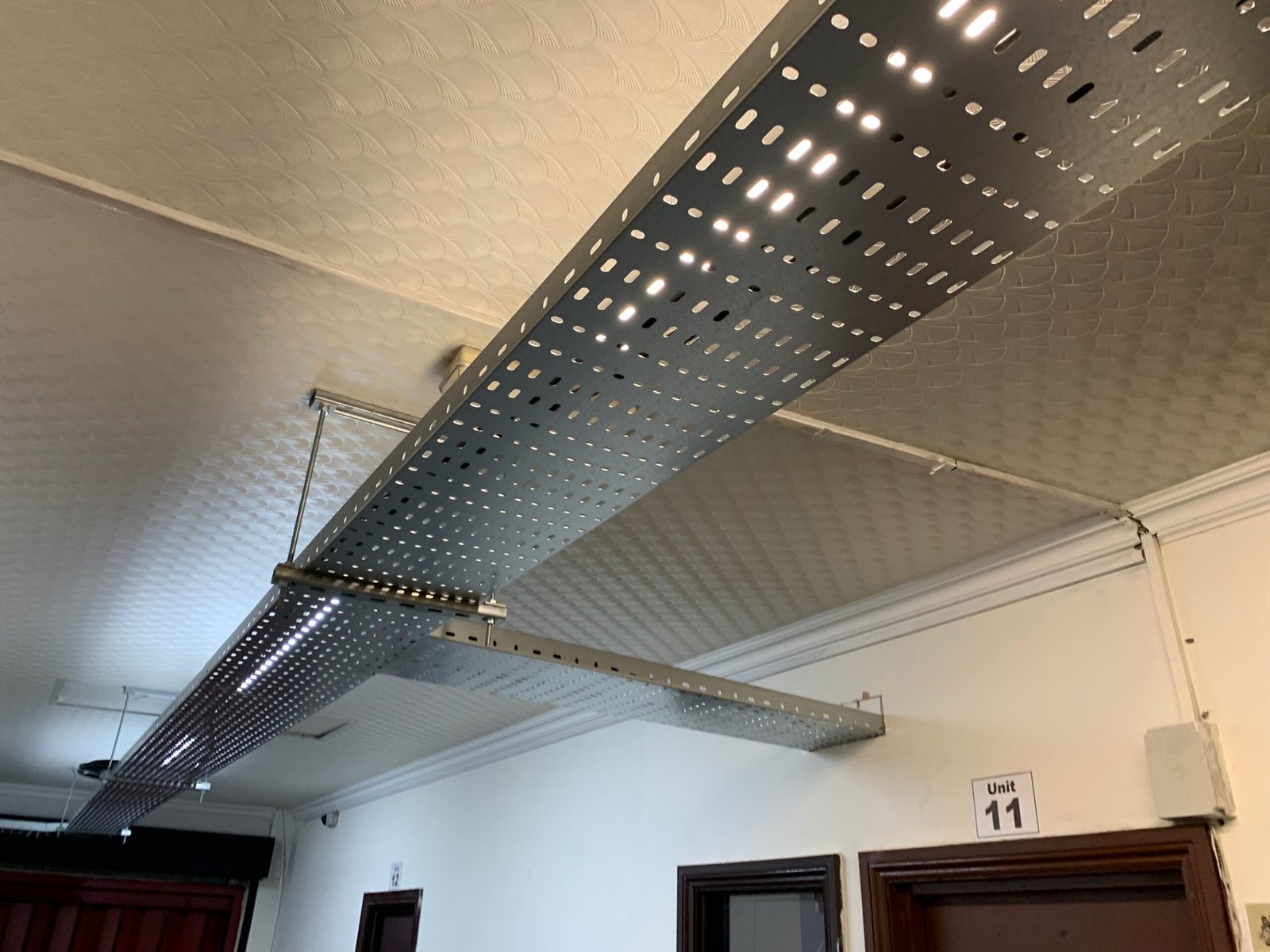
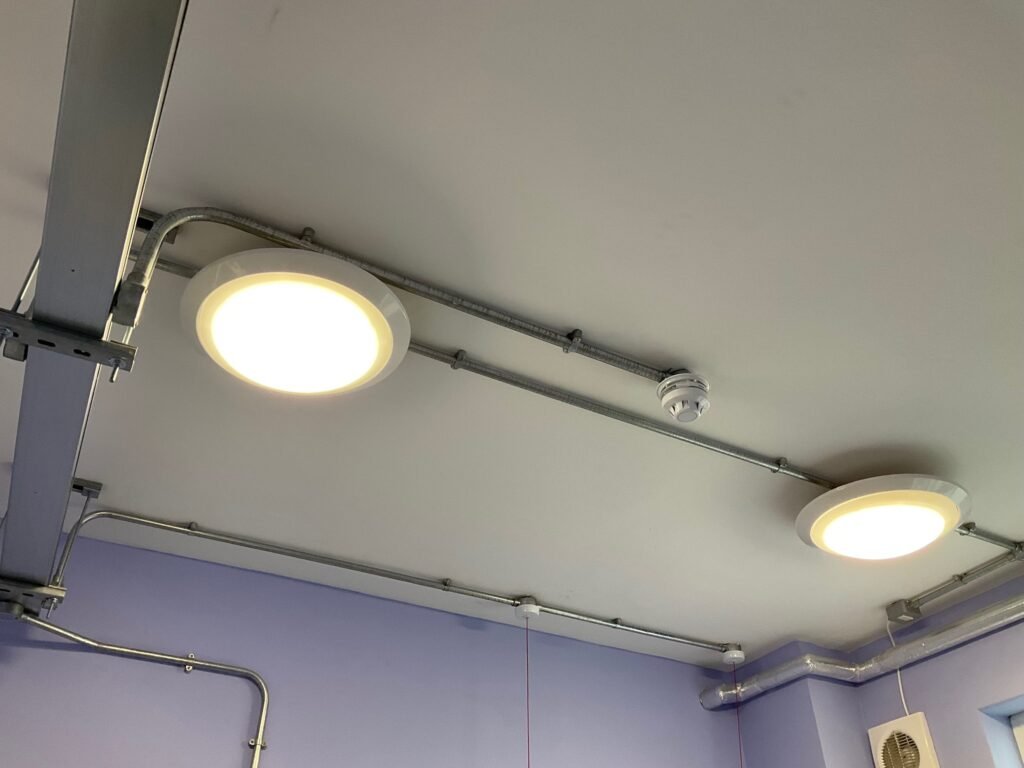
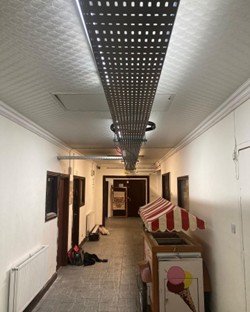
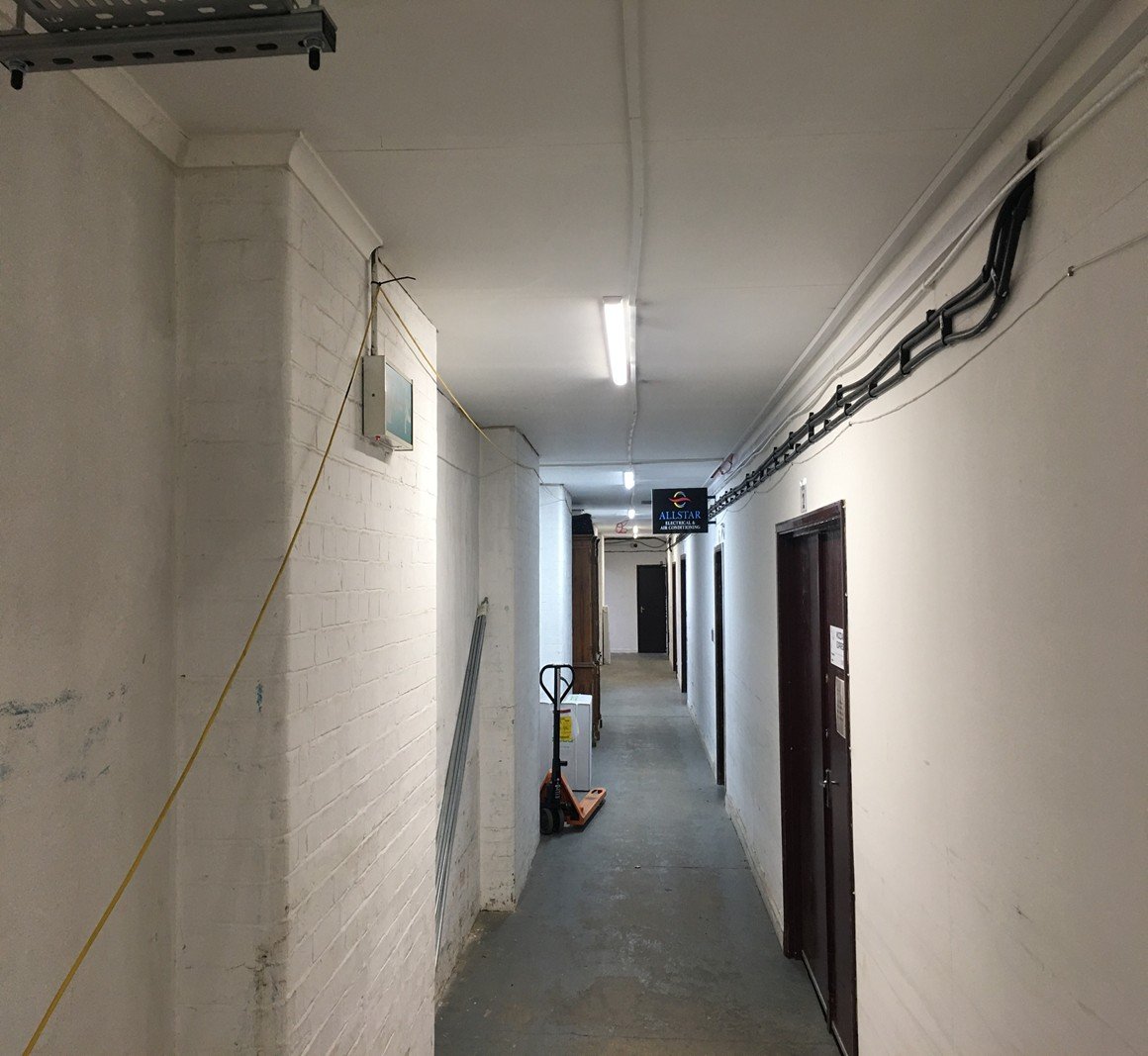
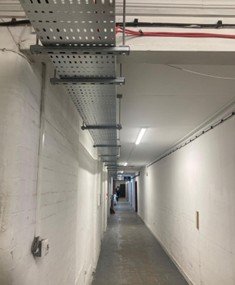
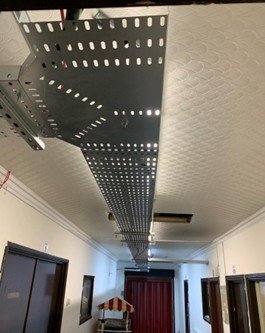
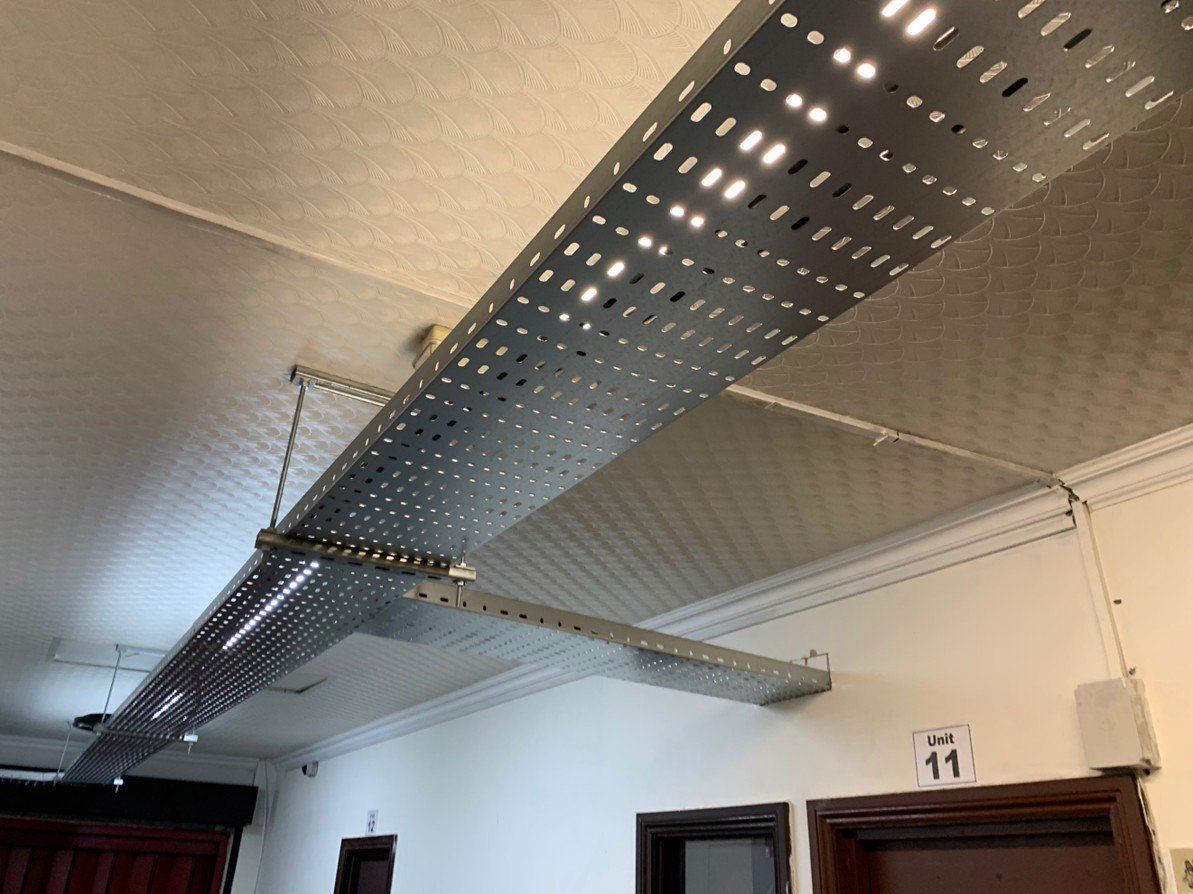
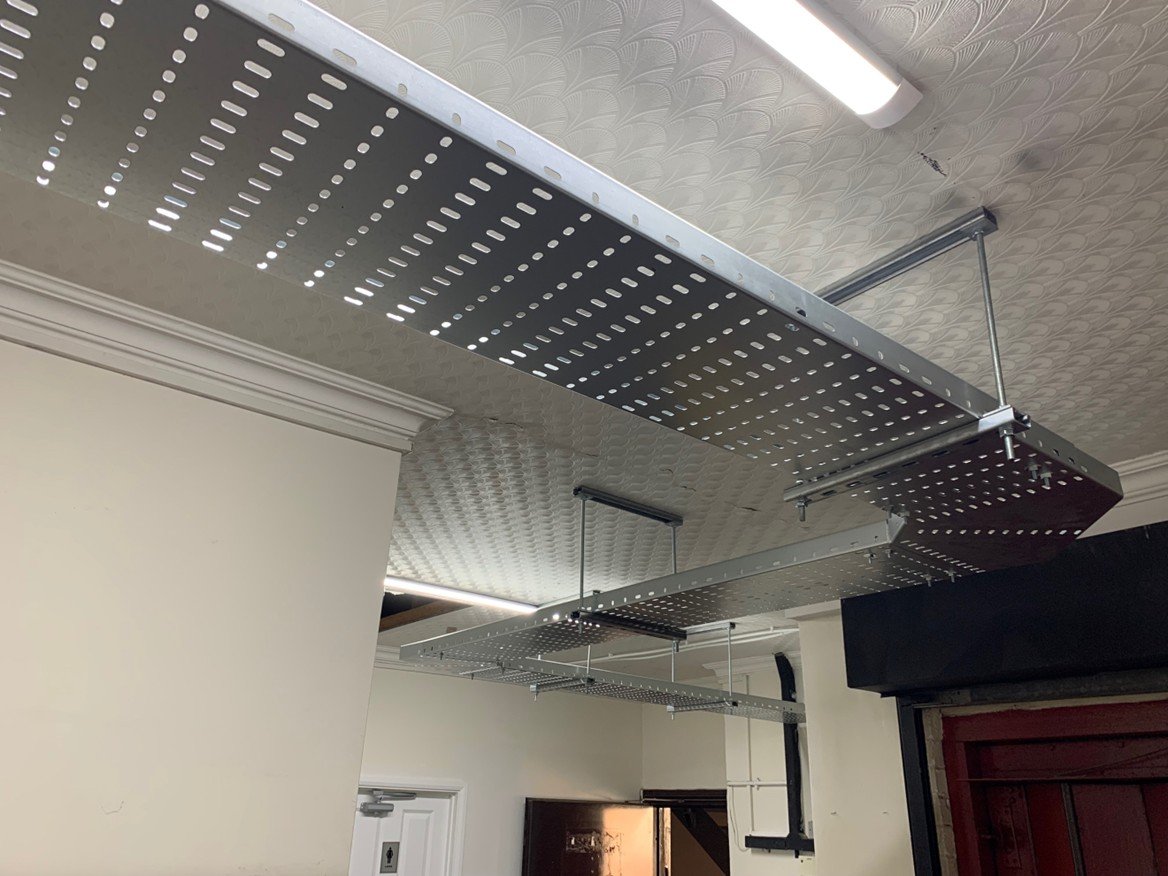
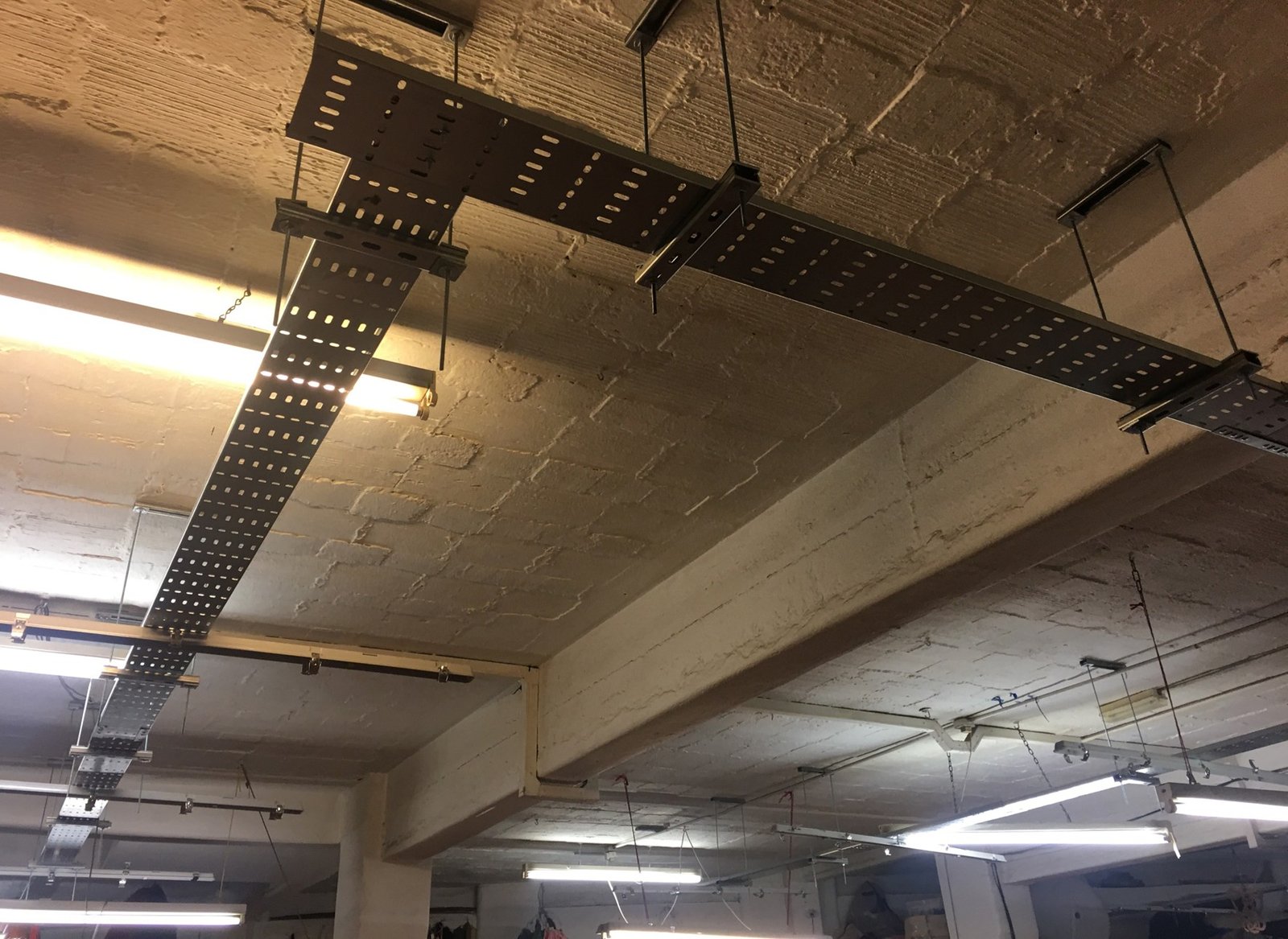
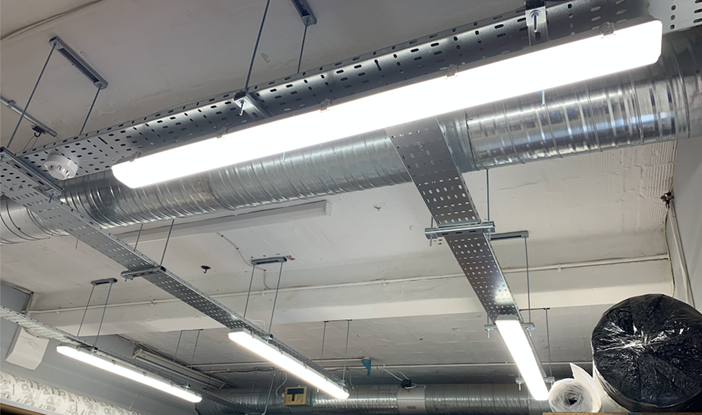
Using steel conduits, galvanized cable trays, and robust steel containment is the gold standard for integrating electrical, fire alarm, and security systems into a single, high-performance infrastructure.
First and foremost, steel offers unmatched mechanical protection. In demanding commercial or industrial environments, it shields critical cabling from accidental impact, crushing, and environmental wear. For security systems, enclosed steel conduit acts as a powerful physical deterrent, preventing tampering, vandalism, or deliberate wire-cutting.
When it comes to fire safety, steel is non-combustible. During a fire, galvanized containment maintains its structural integrity far longer than plastic alternatives, preventing cable collapse, keeping critical detection and alarm circuits functional, and ensuring clear escape routes.
Furthermore, steel containment provides excellent electromagnetic compatibility (EMC). By acting as a continuous, earthed shield, steel conduits and trays significantly reduce electromagnetic interference (EMI). This prevents power cables from disrupting the sensitive data signals required for fire panels, IP security cameras, and access control systems.
Ultimately, specifying a uniform steel containment network ensures a neat, organized, and professional installation that complies with the highest safety standards, delivering long-term reliability and complete peace of mind.
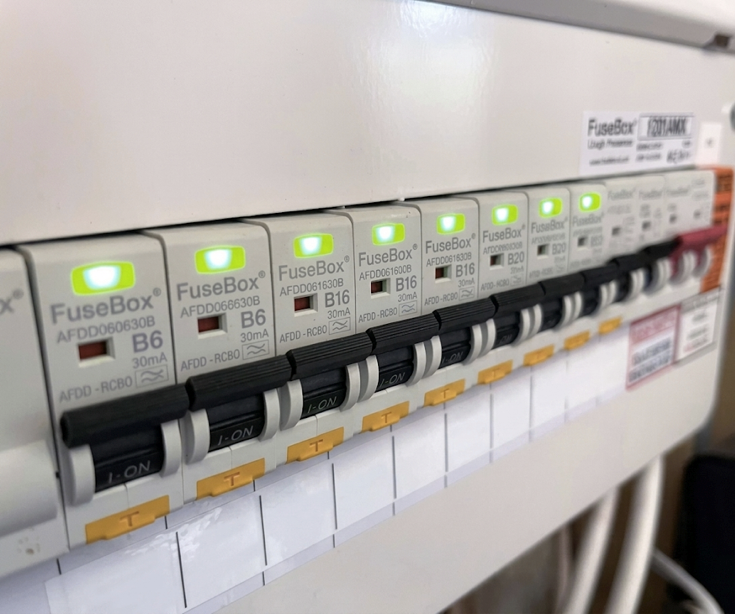
Implementing advanced circuit protection across rented houses, HMOs, commercial spaces, and industrial units is paramount for operational continuity, life safety, and strict regulatory compliance.
In domestic rentals and high-risk HMOs, Surge Protection Devices (SPDs) and Arc Fault Detection Devices (AFDDs) offer a vital defense. SPDs safeguard expensive electronics and building infrastructure from transient overvoltages. Meanwhile, AFDDs mitigate electrical fire risks by detecting micro-arcing from damaged insulation or loose terminations—common culprits in heavily occupied properties.
For shock protection, Residual Current Devices (RCDs) are mandatory, but deploying individual RCBOs (Residual Current Breakers with Overcurrent Protection) on every circuit is best practice. RCBOs combine overload, short-circuit, and earth-leakage protection into one unit. This ensures “division of installation”; a fault on a single circuit isolates only that area, preventing total blackouts and keeping communal escape routes safely illuminated.
In commercial and industrial units, this integrated approach is equally critical but scales up. Industrial SPDs protect heavy machinery and automated systems from costly power surges. Utilizing RCBOs prevents a single faulty appliance or piece of manufacturing equipment from tripping an entire distribution board, eliminating catastrophic business downtime. Whether fulfilling landlord obligations or safeguarding industrial assets, this robust configuration guarantees ultimate peace of mind.
Regarding distributions, shops and hospitality venues depend on high-capacity distribution boards designed to manage the heavy electrical loads of commercial refrigeration and industrial kitchen equipment. Professional installations ensure these distribution systems are properly balanced across phases to prevent circuit overloads during peak business hours while maintaining clear access for maintenance and isolation.
Industrial Electrical installation and Containments
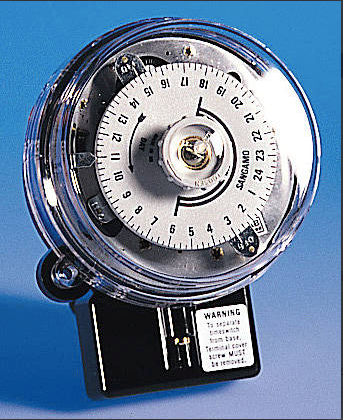
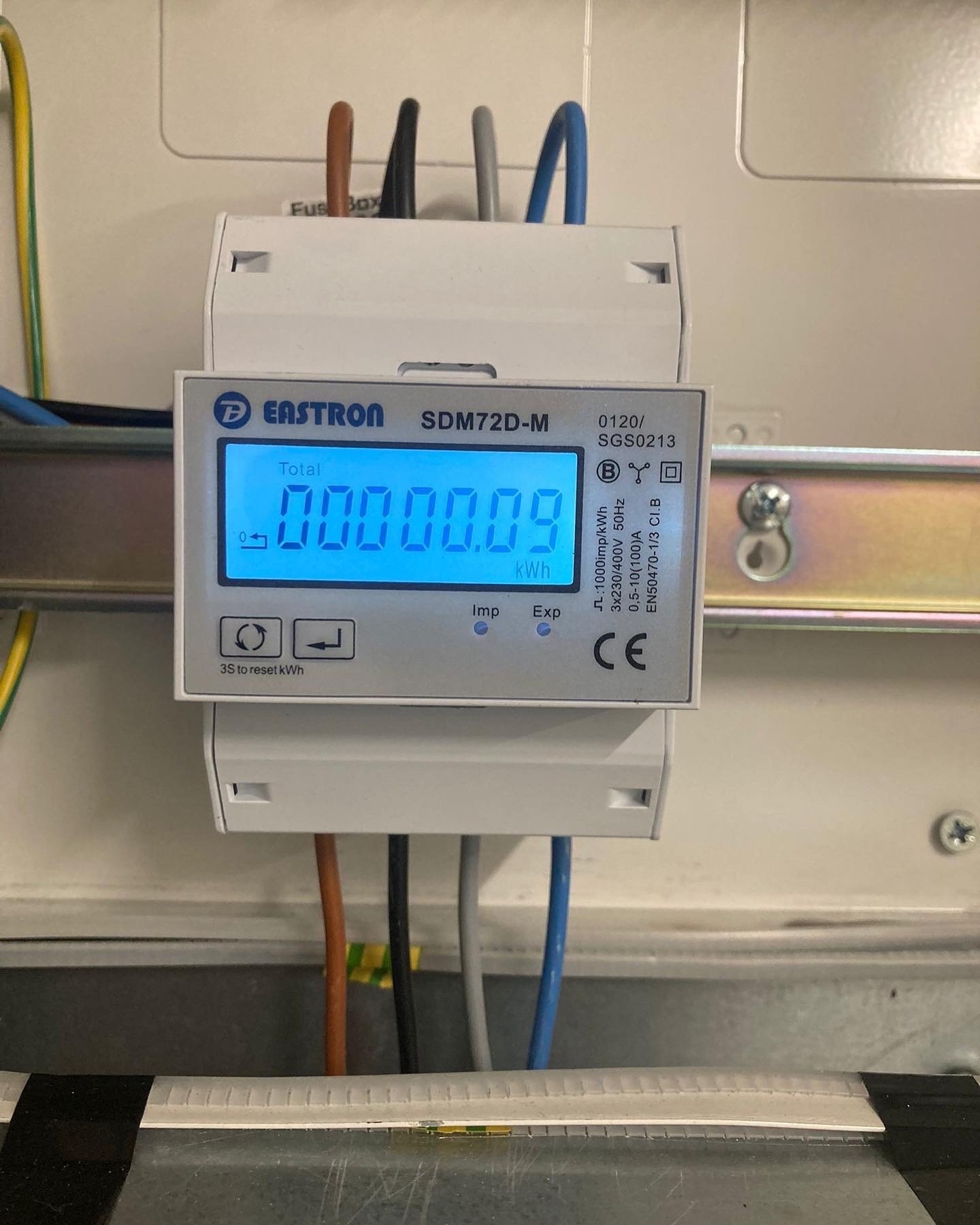
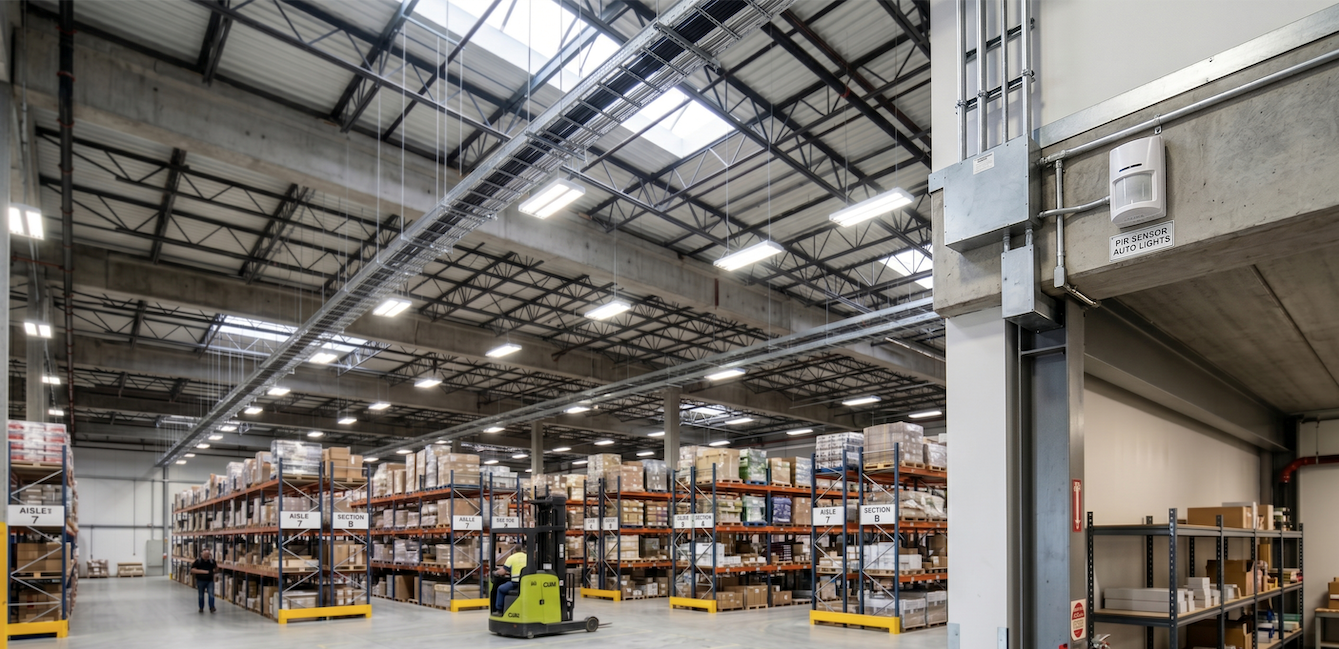
Effective industrial sub-meters for full efficiency and lighting is cornerstone to both operational efficiency and personnel safety within high-stakes environments like manufacturing plants or distribution centers. Beyond mere illumination, modern systems must be intelligently controlled. The integration of precision lighting timers, vacancy sensors, and Passive Infrared (PIR) systems is crucial for managing significant energy expenditures. These technologies ensure that high-bay LED fixtures or hazardous area lighting are active only when necessary, drastically reducing overhead costs and meeting strict carbon compliance standards without compromising workflow.
Protection and Durability Standards
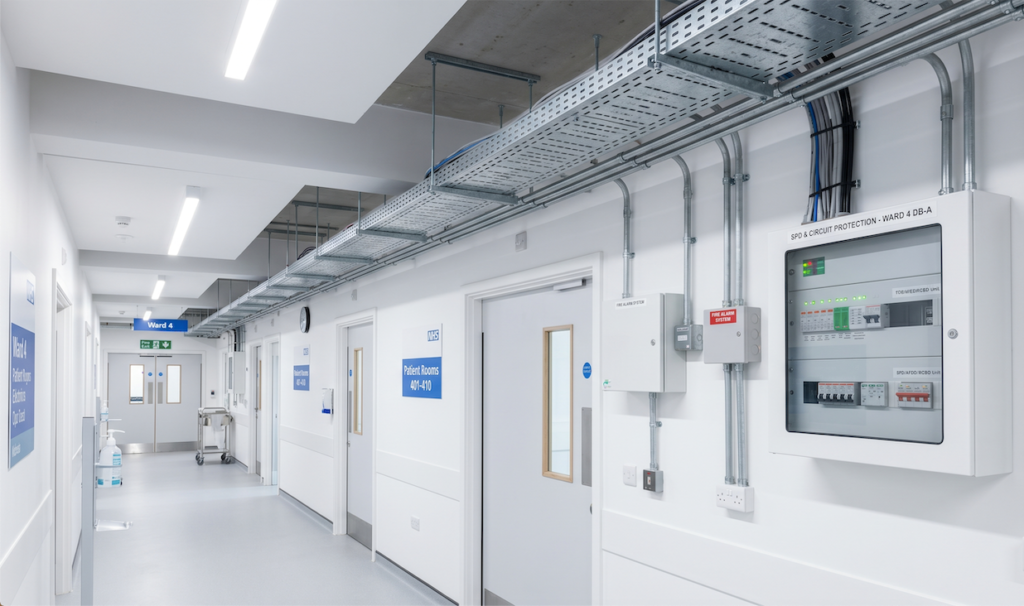
Just as critical as the illumination itself is the mechanical protection of the electrical infrastructure that powers it. In an industrial setting, wiring faces constant threats from physical impact, moisture, dust, and corrosive chemicals. This makes the installation of heavy-duty galvanized steel conduits non-negotiable.
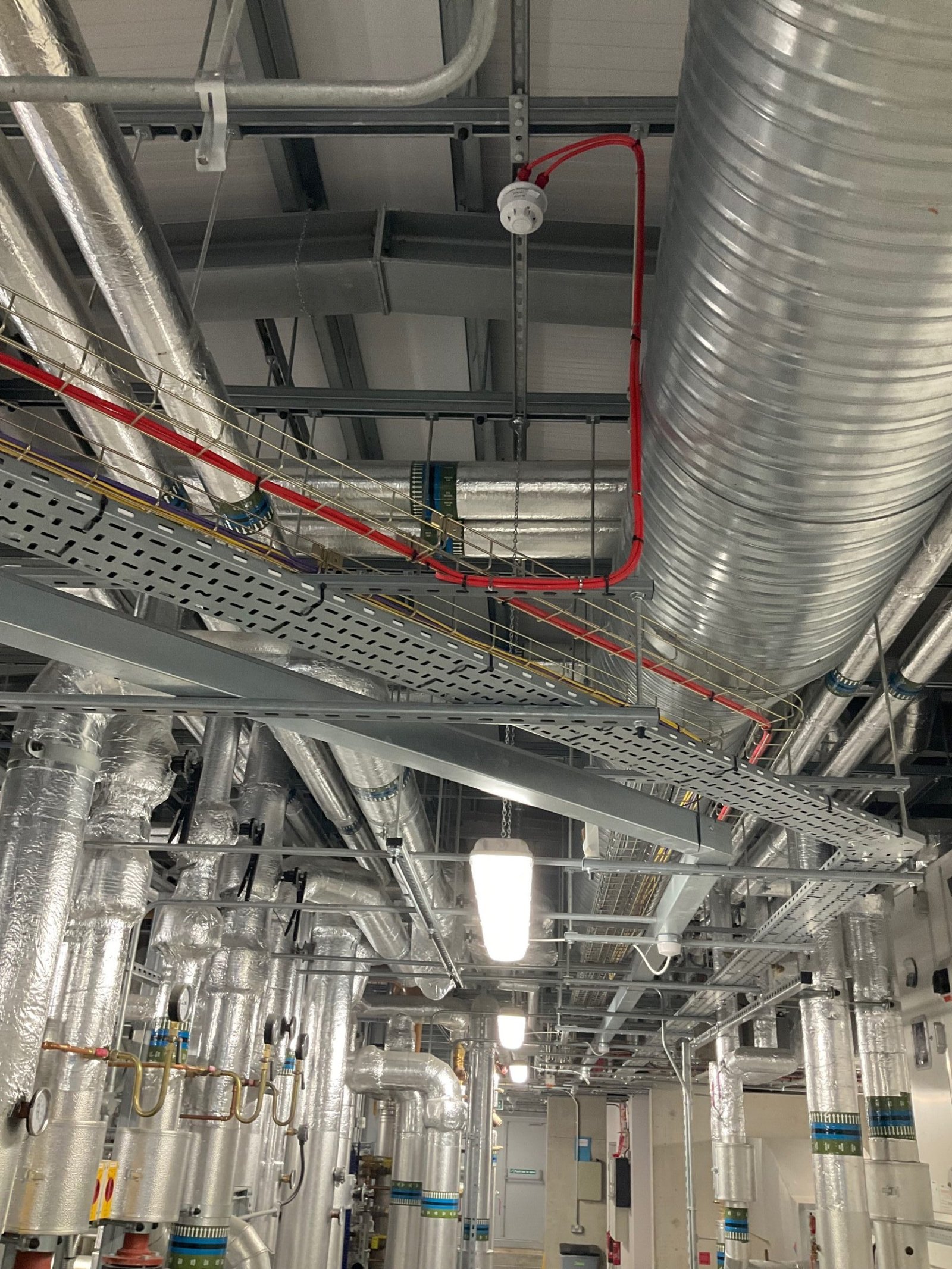
Steel conduits provide the ultimate robust containment, shielding vital power and data lines from crushing or shearing forces. When integrated with other heavy-duty containment systems, such as cable trays and reinforced trunking, they ensure a durable and resilient electrical backbone. This robust construction prevents costly downtime from cable failure and maintains the highest standards of safety, protecting both the electrical investment and the workforce. In essence, industrial lighting efficiency is only as reliable as the containment systems that protect it.
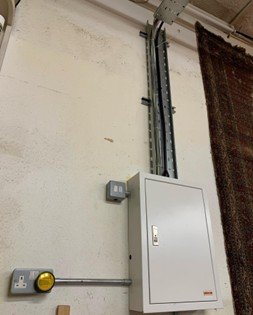
Just as critical as the illumination itself is the mechanical protection of the electrical infrastructure that powers it. In an industrial setting, wiring faces constant threats from physical impact, moisture, dust, and corrosive chemicals. This makes the installation of heavy-duty galvanized steel conduits non-negotiable.
Steel conduits provide the ultimate robust containment, shielding vital power and data lines from crushing or shearing forces. When integrated with other heavy-duty containment systems, such as cable trays and reinforced trunking, they ensure a durable and resilient electrical backbone. This robust construction prevents costly downtime from cable failure and maintains the highest standards of safety, protecting both the electrical investment and the workforce. In essence, industrial lighting efficiency is only as reliable as the containment systems that protect it.